

Why Land Appreciation Is Not Magic: What Really Drives Property Value Growth
One of the most common statements in real estate is: “Buy this land now. It will appreciate.” While that may be true, it leaves out the most important question every investor should ask: Why will it appreciate? Many people assume that land naturally becomes more valuable simply because time has passed. In reality, what drives land appreciation is not mere assumption. Property values increase because of specific economic. Property values increase because of specific economic, social, and infrastructural changes that make an area more attractive to people and businesses. Understanding these drivers can help investors make smarter decisions and avoid relying on speculation.
What Is Land Appreciation?
Land appreciation refers to the increase in the value of a piece of land over time. However, appreciation is not guaranteed. The fact that you purchased land today does not automatically mean it will be worth significantly more tomorrow. The growth in value often depends on what happens around that land and how demand evolves over time.
The most successful real estate investors understand that they are not just buying land, they are investing in the future potential of a location.

What Really Drives Land Appreciation?
1. Infrastructure Development
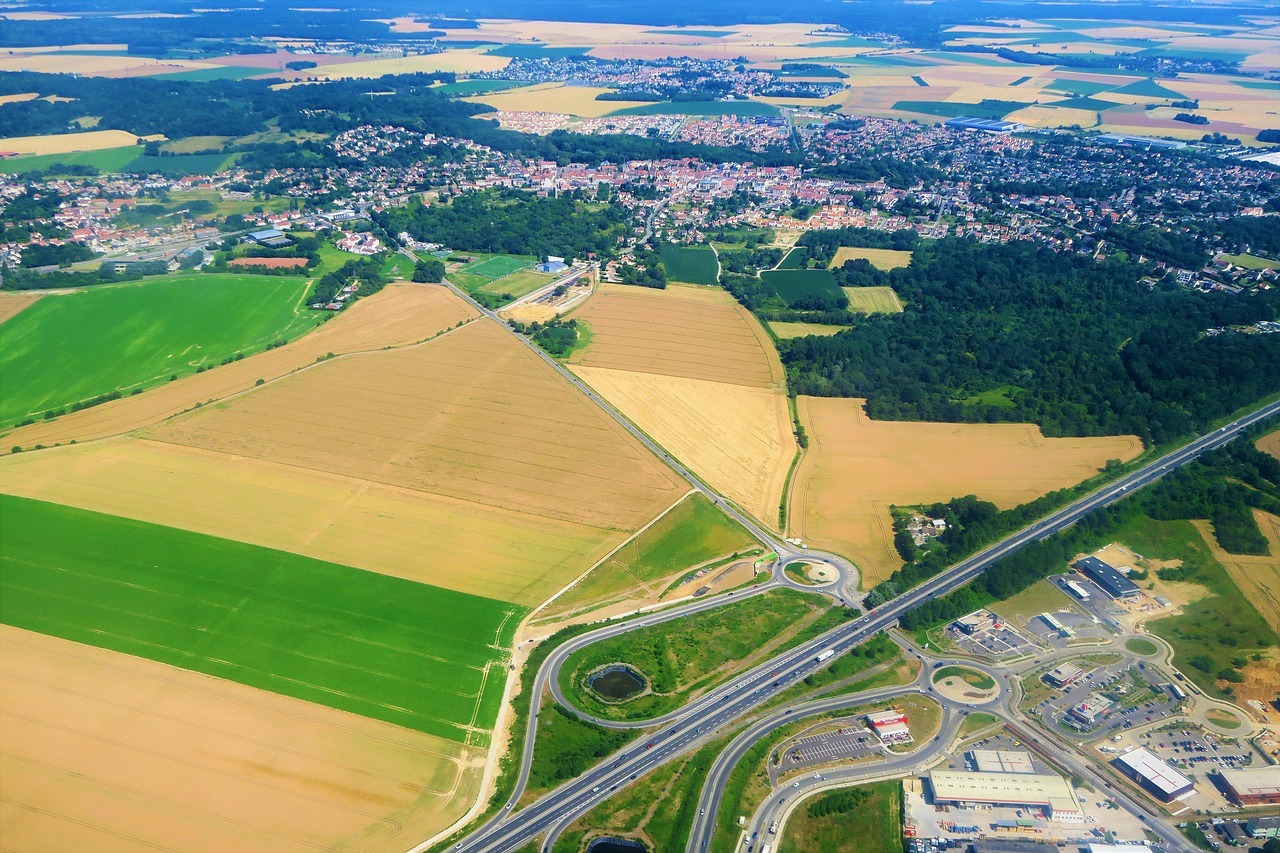
Infrastructure is one of the strongest drivers of property value growth. When new roads, bridges, rail lines, airports, or utility networks are introduced, accessibility improves. Areas that were once difficult to reach suddenly become attractive to residents, businesses, and developers. As demand increases, property values often follow.
This is why experienced investors pay close attention to government infrastructure projects and development plans.
2. Population Growth
People create demand. As more people move into a particular area, the need for housing, retail spaces, schools, healthcare facilities, and other services increases. Growing populations often lead to increased competition for available land, which can drive prices upward over time. Before investing, it is worth examining whether an area is attracting new residents or experiencing population decline.
3. Commercial Development
Businesses rarely invest millions in locations they believe have no future. The arrival of shopping centers, office complexes, manufacturing facilities, hospitality projects, and other commercial developments often signals confidence in an area’s growth potential.
Commercial activity creates jobs, attracts workers, and increases economic activity, all of which can contribute to higher property values.
4. Transportation Access
Accessibility plays a major role in determining the attractiveness of a location. Areas located near major highways, transportation corridors, railway stations, airports, and transit hubs often experience stronger demand because they offer convenience. When people can move easily between where they live, work, and do business, the surrounding land typically becomes more valuable.
5. Employment Hubs
Jobs attract people. Areas that become centers for employment often experience rapid growth in housing demand and commercial activity. When companies establish offices, factories, industrial parks, or business districts in a location, they create opportunities that attract workers and their families. As demand for accommodation and services rises, so does the value of nearby properties.
The Question Every Investor Should Ask
Many investors focus on one question: “How much is this land?” A better question is: “What is changing around this land?” This simple shift in thinking can help separate strategic investments from speculative purchases.
Rather than relying on promises of appreciation, investors should look for evidence of growth, development, and increasing demand.
Investing Beyond Hope
Hope is not an investment strategy. The most successful property investors do not buy land simply because it is available, affordable, or popular. They buy because they understand the factors that are likely to increase demand in the future.
Land appreciation is often the result of deliberate development, economic activity, and population movement not the passage of time alone. The next time someone tells you a property will appreciate, don’t just ask when. Ask why. The answer may reveal whether you’re looking at a genuine investment opportunity or simply a piece of land with an uncertain future.
Frequently Asked Questions (FAQs)
Does land automatically appreciate over time?
No. While some properties increase in value over time, appreciation depends on factors such as infrastructure development, population growth, commercial activity, and market demand.
What is the biggest driver of land appreciation?
Infrastructure development is often one of the strongest drivers because it improves accessibility and attracts businesses, residents, and investors.
How can I identify a high-growth location?
Look for areas experiencing new infrastructure projects, population growth, commercial development, improved transportation access, and increasing economic activity.
Is cheap land always a good investment?
Not necessarily. Low prices alone do not guarantee future appreciation. Investors should evaluate the long-term growth potential of the location before making a purchase.
Why do some properties appreciate faster than others?
Properties located in areas with strong development activity, growing demand, and strategic infrastructure projects tend to appreciate faster than those in stagnant locations.