
Estate Development Explained: What It Is, How It Works, and Why It Matters
When people think about real estate, they often focus on the visible outcome, like houses, roads, parks, and commercial spaces. What many overlook is the process that makes these things possible in the first place: estate development.
Behind every thriving residential community is a series of strategic decisions involving planning, infrastructure, accessibility, and long-term growth. These decisions determine whether a location becomes a desirable place to live and invest or simply remains another piece of land.
Understanding estate development is important not only for developers but also for investors, homebuyers, and anyone looking to make informed property decisions.
What Is Estate Development?
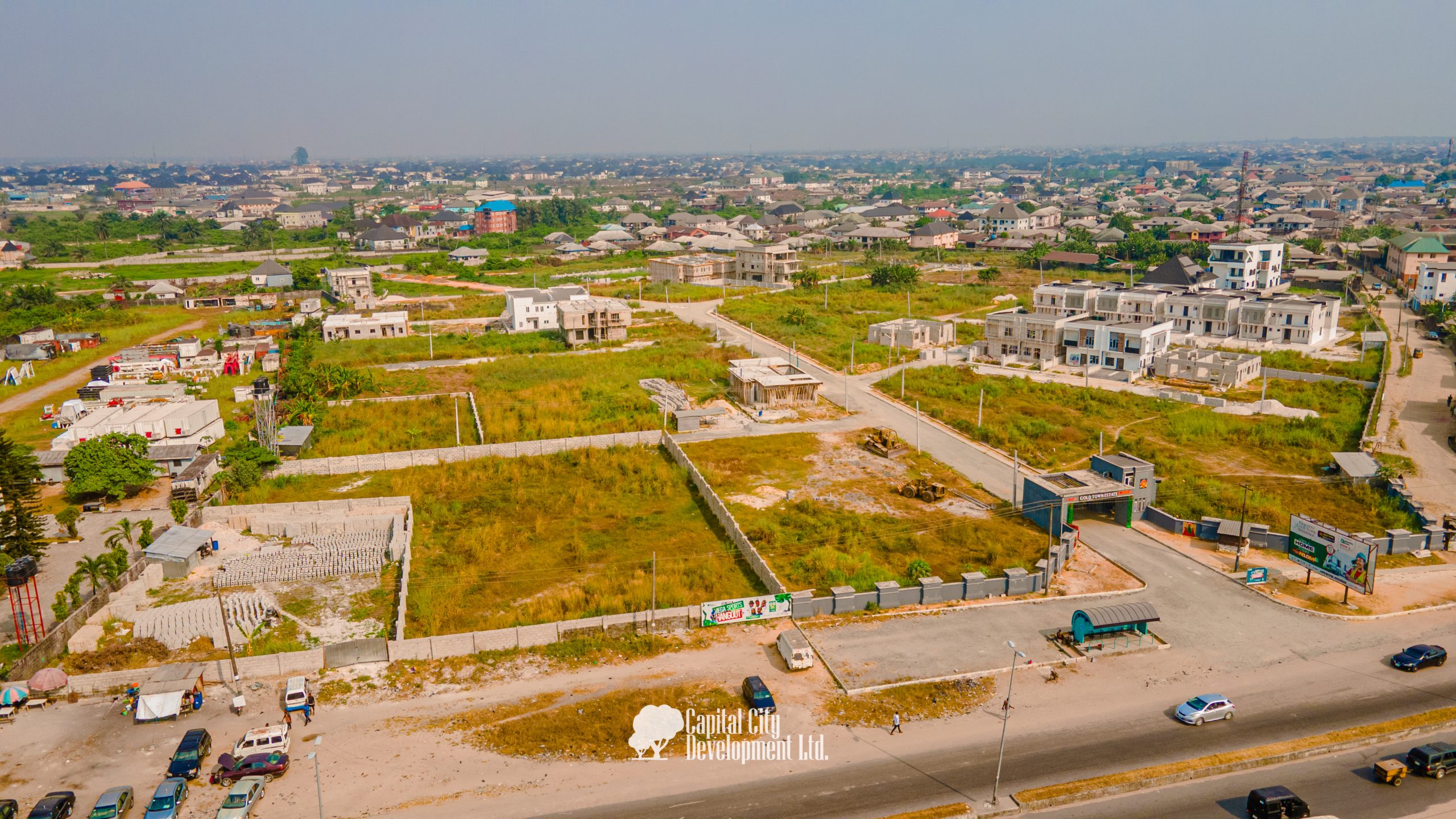
Estate development is the process of transforming raw or underutilized land into a planned residential, commercial, or mixed-use community. It involves designing and constructing the infrastructure, amenities, and facilities needed to make a location functional, attractive, and sustainable.
This process goes far beyond building houses. It includes creating road networks, drainage systems, utility connections, security infrastructure, recreational spaces, and other features that support everyday living.
In simple terms, estate development is the bridge between vacant land and a thriving community.
Why Estate Development Matters
The quality of an estate development often determines the quality of life within it. Well-planned estates create organized environments where residents can live, work, and interact comfortably. They provide structure, improve accessibility, and encourage sustainable urban growth.
Beyond the lifestyle benefits, estate development also plays a significant role in economic growth. As infrastructure improves and communities expand, surrounding property values often increase. Businesses are attracted to growing populations, investors gain confidence in the location, and additional development follows.
This is why estate development is often considered one of the key drivers of property appreciation.
The Estate Development Process
Successful estate development rarely happens overnight. It follows a structured process designed to ensure long-term viability and value.
Land Acquisition
Every development begins with land. Developers identify locations with growth potential based on factors such as accessibility, population trends, infrastructure plans, and future demand. The goal is to secure land that can support sustainable development and attract future residents or businesses.
Planning and Design
Once land is acquired, the planning phase begins. This stage involves designing the layout of the estate, determining land use, allocating spaces for roads and amenities, and creating a blueprint that aligns with the project’s objectives. Good planning balances functionality, aesthetics, accessibility, and future expansion.
Regulatory Approvals
Before construction begins, developers must obtain the necessary approvals from relevant authorities. These approvals help ensure that the development complies with planning regulations, environmental requirements, and building standards.
Infrastructure Development
Infrastructure is the foundation of every successful estate. Roads, drainage systems, electricity networks, water supply systems, street lighting, and security installations are developed to support the community.
Without adequate infrastructure, even the most attractive housing project may struggle to attract residents and investors.
Construction and Building
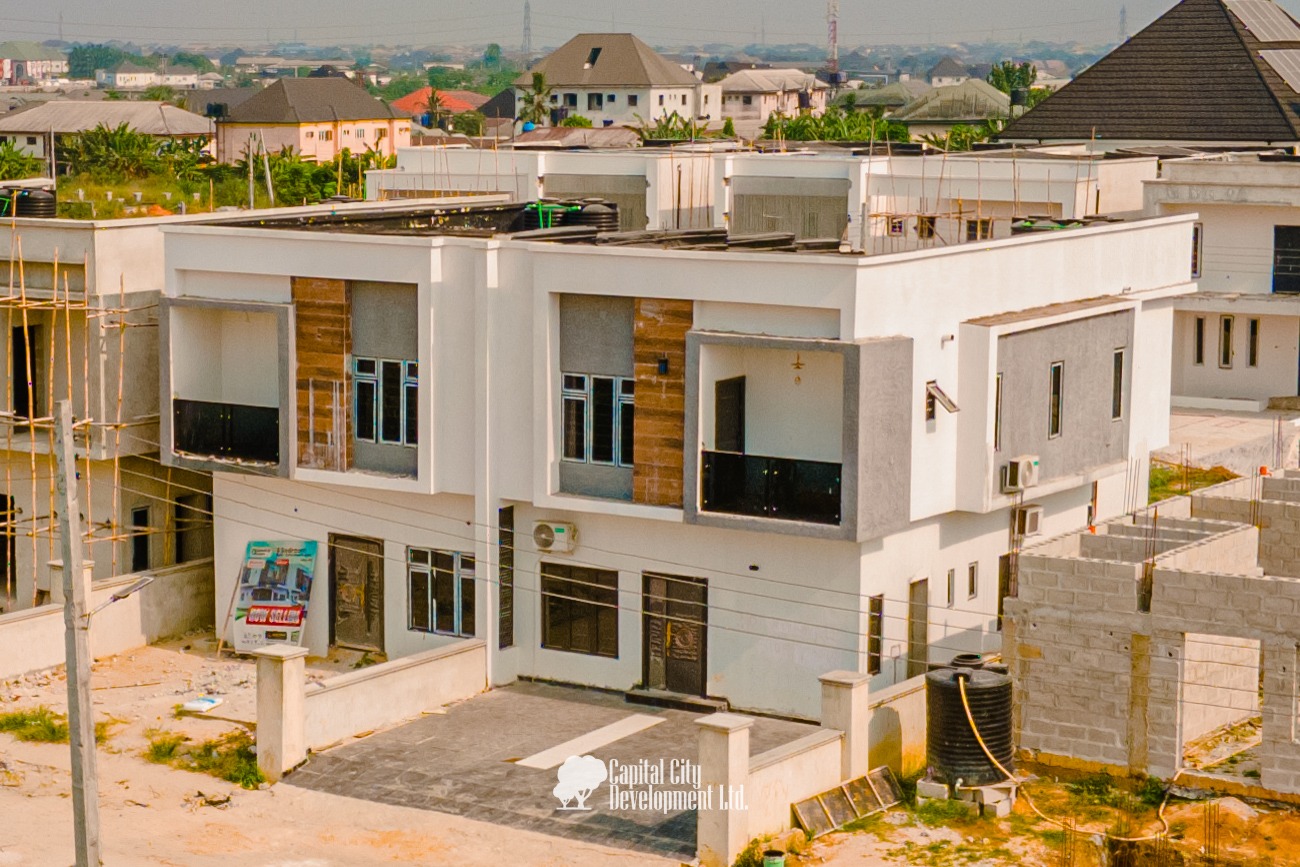
With the necessary infrastructure in place, construction begins. This may include residential units, commercial spaces, recreational facilities, schools, healthcare centers, or other components depending on the nature of the development.
Community Management
Estate development does not end when construction is completed. Ongoing management helps maintain infrastructure, enforce community standards, and preserve the quality of life within the estate. Effective management contributes significantly to long-term property value.
What Makes a Successful Estate Development?
Not all estate developments deliver the same results. The most successful projects typically share several important characteristics.
Strategic Location
Location remains one of the most important factors in real estate. Developments situated near economic centers, transportation routes, educational institutions, and commercial hubs tend to attract stronger demand.
Road Networks and Accessibility
Accessibility influences how easily residents can move between home, work, and essential services. Good road networks often contribute to higher demand and stronger property value growth.
Reliable Utilities
Access to electricity, water supply, drainage systems, and telecommunications infrastructure is essential for modern living. Developments that provide reliable utilities are generally more attractive to buyers and investors.
Security Systems
Security is a major consideration for residents. Controlled access points, surveillance systems, perimeter fencing, and professional security services contribute to a safer living environment.
Recreational Amenities
Parks, playgrounds, fitness centers, and community spaces enhance the resident experience and improve the overall appeal of the estate.
Future Growth Potential
Successful developments are often located in areas positioned for future expansion. As surrounding infrastructure and economic activity increase, demand for property within the estate may also rise.
Effective Community Management
A well-managed estate preserves its standards and protects property values over time. Poor maintenance can reduce the attractiveness of even the most strategically located development.
How Estate Development Influences Property Value
Property appreciation rarely happens by chance. One of the primary reasons properties increase in value is the presence of deliberate development efforts that make a location more desirable.
Infrastructure improves accessibility. Amenities improve quality of life. Security increases confidence among residents and investors. Together, these factors create demand. When demand rises, property values often follow.
This explains why two similar properties located in different environments can experience vastly different growth rates. The difference is often the quality of the estate development surrounding them.
Estate Development as an Investment Opportunity
For investors, estate development offers more than just physical infrastructure; it creates opportunities for wealth creation. Properties within well-planned developments often benefit from stronger demand, increased marketability, and long-term appreciation potential.
Investors may also benefit from rental income opportunities, particularly in locations experiencing population growth and expanding economic activity.
Additionally, purchasing land or property during the early stages of a development can position investors to benefit from future value increases as infrastructure and amenities are completed.
What Should Buyers Look for in an Estate Development?
Before purchasing property within any estate, it is important to evaluate several key factors.
Consider the following:
- Title and ownership documentation
- Quality of infrastructure
- Accessibility and road networks
- Security provisions
- Availability of utilities
- Developer credibility and track record
- Community management structure
- Future growth potential of the surrounding area
A careful assessment can help buyers avoid unnecessary risks and identify developments with genuine long-term value.
Conclusion
Estate development is far more than the construction of buildings on a piece of land. It is the deliberate process of creating environments where people can live, work, invest, and thrive.
The roads, infrastructure, security systems, utilities, and amenities that many people take for granted are often the very factors that determine whether a property grows in value over time.
For homebuyers, understanding estate development helps in choosing communities that support a better quality of life. For investors, it provides a framework for identifying locations with strong appreciation potential.
Ultimately, successful estate development is not just about building structures; it is about building value, creating opportunities, and shaping the communities of tomorrow.
Frequently Asked Questions
What is estate development?
Estate development is the process of transforming land into a planned residential, commercial, or mixed-use community through infrastructure development, construction, planning, and property management.
Why is estate development important?
Estate development creates organized communities, improves living standards, supports economic growth, and increases property values through better infrastructure and amenities.
What infrastructure should a well-developed estate have?
A well-developed estate should include good road networks, drainage systems, electricity, water supply, security infrastructure, street lighting, and recreational facilities.
Is buying property in an estate a good investment?
It can be. Properties in well-planned estates often benefit from stronger demand, better infrastructure, improved security, and higher appreciation potential compared to properties in less organized locations.
Why do some estates appreciate faster than others?
Estates typically appreciate faster when they are located in growth corridors, have quality infrastructure, good accessibility, strong security, and are close to commercial and economic activities.
What should I look for before buying property in an estate?
Buyers should evaluate title documentation, infrastructure quality, accessibility, security, developer reputation, utility availability, and the long-term growth potential of the surrounding area.